
FNC Farm Management
How to Find a Farm Consultant
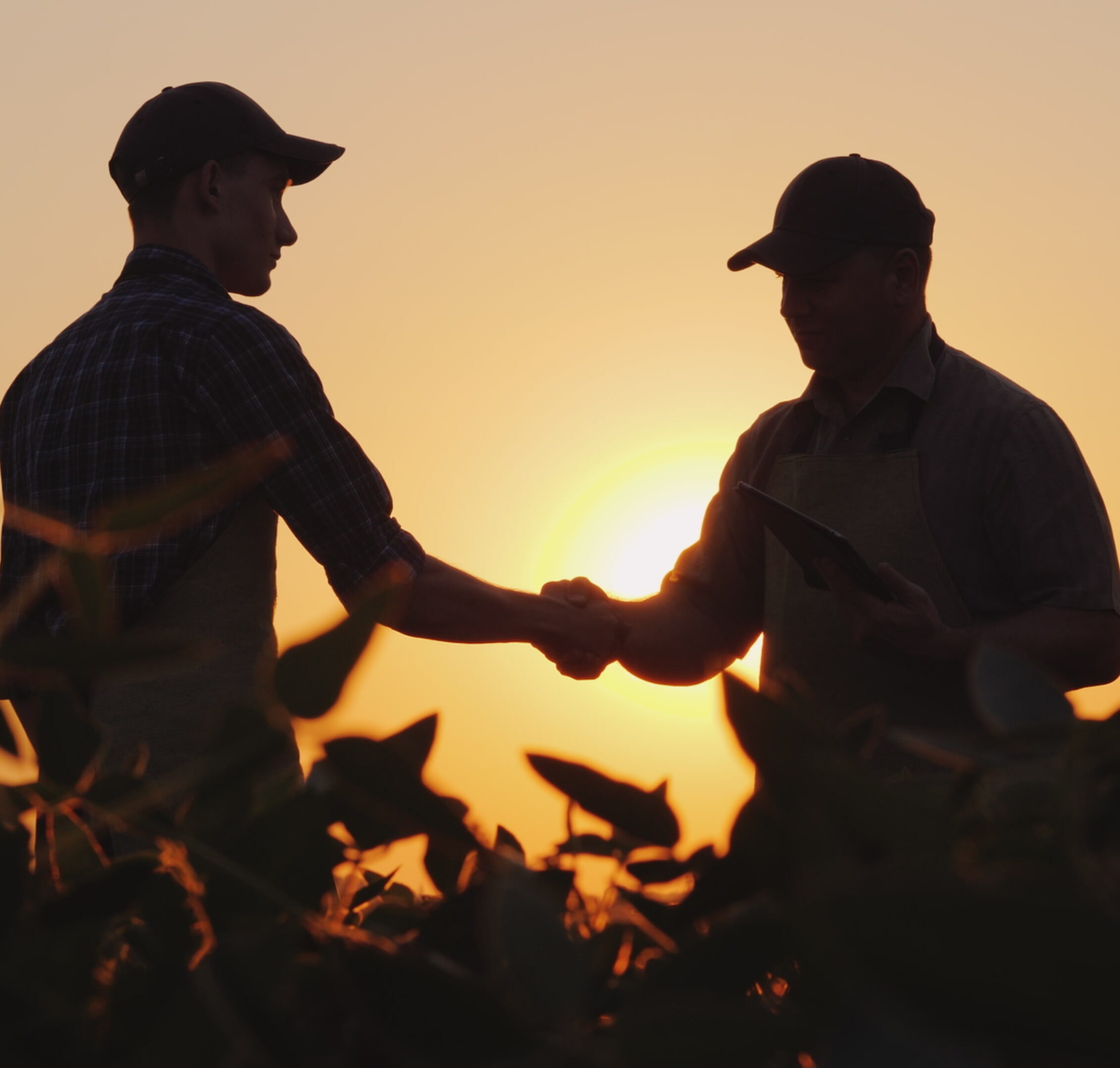
Your farm takes daily maintenance to keep it running. Sometimes just the daily operations can add up to more hours than you have available. When this is the case, some of the administrative tasks get pushed back or even forgotten until you find out you've been losing revenue or missing opportunities for improvement. Without support, the farm suffers and your investment dwindles. This is where a farm consultant becomes a non-negotiable.
Finding a farm consultant starts with knowing what type of help you need and then vetting candidates for local experience, a defined service scope, and references from landowners in similar situations. The right consultant acts in your interest, knows your region's markets, and gives you clear reporting on how your operation is performing.
Your farm takes daily maintenance to keep it running. Sometimes just the daily operations can add up to more hours than you have available. When this is the case, some of the administrative tasks get pushed back or even forgotten until you find out you've been losing revenue or missing opportunities for improvement. Without support, the farm suffers and your investment dwindles. This is where a farm consultant becomes a non-negotiable.
Finding a farm consultant starts with knowing what type of help you need and then vetting candidates for local experience, a defined service scope, and references from landowners in similar situations. The right consultant acts in your interest, knows your region's markets, and gives you clear reporting on how your operation is performing.
What Does a Farm Consultant Do?
A farm consultant advises landowners and producers on the management, operations, and performance of agricultural property. The scope varies depending on the type of consultant you hire, ranging from day-to-day operations and financial planning to risk management and ownership transition.
Types of Farm Consultants
Farm consultants provide more than just advice on best practices for agriculture. They're available to improve profitability for livestock, crops, and farm rental terms. Farmers can get personalized consulting for specific problems, prepare for the next generation to take over, or find assistance with securing better grain marketing rates.
Farm Management
A farm manager handles the operational oversight of your property. That includes tenant coordination, lease management, and financial reporting. For absentee landowners or owners without the time to manage day-to-day decisions, this is typically the starting point.
Agronomy
An agronomist focuses on crop production: soil inputs, planting decisions, and yield performance. This type of consultant is more relevant to active producers than to landowners primarily concerned with land performance and income.
Financial
A financial consultant focuses on cash flow, profitability, and accounting support. Some farm management firms include this as part of their standard service scope rather than a standalone offering.
Land
A land consultant handles appraisals, acquisitions, and land performance analysis. If you're evaluating the investment value of a property or preparing for a sale, this is the area of expertise you want.
Succession planning
A succession planning consultant works through ownership transitions, estate coordination, and multi-generation planning. Families managing inherited land or planning a transfer to the next generation often need this alongside operational support.
What Does a Farm Consultant Do?
A farm consultant advises landowners and producers on the management, operations, and performance of agricultural property. The scope varies depending on the type of consultant you hire, ranging from day-to-day operations and financial planning to risk management and ownership transition.
Types of Farm Consultants
Farm consultants provide more than just advice on best practices for agriculture. They're available to improve profitability for livestock, crops, and farm rental terms. Farmers can get personalized consulting for specific problems, prepare for the next generation to take over, or find assistance with securing better grain marketing rates.
Farm Management
A farm manager handles the operational oversight of your property. That includes tenant coordination, lease management, and financial reporting. For absentee landowners or owners without the time to manage day-to-day decisions, this is typically the starting point.
Agronomy
An agronomist focuses on crop production: soil inputs, planting decisions, and yield performance. This type of consultant is more relevant to active producers than to landowners primarily concerned with land performance and income.
Financial
A financial consultant focuses on cash flow, profitability, and accounting support. Some farm management firms include this as part of their standard service scope rather than a standalone offering.
Land
A land consultant handles appraisals, acquisitions, and land performance analysis. If you're evaluating the investment value of a property or preparing for a sale, this is the area of expertise you want.
Succession planning
A succession planning consultant works through ownership transitions, estate coordination, and multi-generation planning. Families managing inherited land or planning a transfer to the next generation often need this alongside operational support.

What to look for when hiring a farm consultant
When you determine the area of expertise you need most, you'll still have a long list of potential candidates. Use these 4 specific qualities to find the right consultant for your farm.
Local Knowledge
A consultant who lives and works in your region understands local land markets, tenant relationships, and agricultural conditions in a way that a generalist won't. On-the-ground presence matters for ongoing oversight, not just the initial assessment.
What to look for when hiring a farm consultant
When you determine the area of expertise you need most, you'll still have a long list of potential candidates. Use these 4 specific qualities to find the right consultant for your farm.
Local Knowledge
A consultant who lives and works in your region understands local land markets, tenant relationships, and agricultural conditions in a way that a generalist won't. On-the-ground presence matters for ongoing oversight, not just the initial assessment.
Practical Experience
Look for a track record with farms, ranches, and land management specifically. Credentials in agriculture or agribusiness are common, but experience with FSA programs, CRP compliance, selling farming properties, and lease structures carries more weight than a degree alone.
A Defined Service Scope
Before hiring, you should know exactly what the consultant manages, how often they report, and how they communicate. Firms that cover farm management, leasing, appraisals, and accounting under one roof give landowners a more consistent point of contact than coordinating across multiple specialists.
References
Ask for references from current clients in situations similar to yours, whether that's absentee ownership, consulting needs, inherited land, or an operation going through transition.
Questions to ask before hiring
Before signing on with any farm management consultant or firm, ask the right questions to better understand the consultant's strengths. Ask about their management process, including how they assess a property, what a typical reporting cadence looks like, and how they handle tenant relationships when issues come up. Find out how current they are on federal programs like CRP and FSA, since those programs affect income and compliance obligations. Ask how they've supported owners navigating transitions or sales. The answers will tell you quickly whether their experience matches your situation.
Red Flags to Watch for
Not all management services provide true support for farmers in need of livestock and agronomy consulting. Look beyond formal qualifications to see if they're prepared for your specific needs with these red flags.
No Clear Process
A professional farm manager should be able to walk you through what happens after you engage them: an initial property review, a management plan, and a defined reporting schedule. If a consultant can't explain their process, that's a gap that could result in long-term issues, including reduced profitability. Farmers National Company's farm and ranch services give landowners a clear picture of production, leasing, and oversight data through a secure client portal with regular reports to support decisions.
Limited Farm Background
Farm and ranch management requires direct experience with land, tenants, markets, and programs like CRP and FSA. Farmers National Company has agents working across the country with experience in farm, ranch, and land management. That breadth of regional coverage means local knowledge backed by the resources of a national firm.
Practical Experience
Look for a track record with farms, ranches, and land management specifically. Credentials in agriculture or agribusiness are common, but experience with FSA programs, CRP compliance, selling farming properties, and lease structures carries more weight than a degree alone.
A Defined Service Scope
Before hiring, you should know exactly what the consultant manages, how often they report, and how they communicate. Firms that cover farm management, leasing, appraisals, and accounting under one roof give landowners a more consistent point of contact than coordinating across multiple specialists.
References
Ask for references from current clients in situations similar to yours, whether that's absentee ownership, consulting needs, inherited land, or an operation going through transition.
Questions to ask before hiring
Before signing on with any farm management consultant or firm, ask the right questions to better understand the consultant's strengths. Ask about their management process, including how they assess a property, what a typical reporting cadence looks like, and how they handle tenant relationships when issues come up. Find out how current they are on federal programs like CRP and FSA, since those programs affect income and compliance obligations. Ask how they've supported owners navigating transitions or sales. The answers will tell you quickly whether their experience matches your situation.
Red Flags to Watch for
Not all management services provide true support for farmers in need of livestock and agronomy consulting. Look beyond formal qualifications to see if they're prepared for your specific needs with these red flags.
No Clear Process
A professional farm manager should be able to walk you through what happens after you engage them: an initial property review, a management plan, and a defined reporting schedule. If a consultant can't explain their process, that's a gap that could result in long-term issues, including reduced profitability. Farmers National Company's farm and ranch services give landowners a clear picture of production, leasing, and oversight data through a secure client portal with regular reports to support decisions.
Limited Farm Background
Farm and ranch management requires direct experience with land, tenants, markets, and programs like CRP and FSA. Farmers National Company has agents working across the country with experience in farm, ranch, and land management. That breadth of regional coverage means local knowledge backed by the resources of a national firm.

Get the Support You Need for a Profitable Farming Operation
With experienced consultants across the US, Farmers National Company connects farmers with experts who know your region personally. And that local knowledge and experience keeps your bottom line more dependable, predictable, and profitable as market conditions shift.
Get the Support You Need for a Profitable Farming Operation
With experienced consultants across the US, Farmers National Company connects farmers with experts who know your region personally. And that local knowledge and experience keeps your bottom line more dependable, predictable, and profitable as market conditions shift.