
FNC Real Estate
What to Do With Inherited Land:
Farmers National Company
Do You Own Inherited Land?
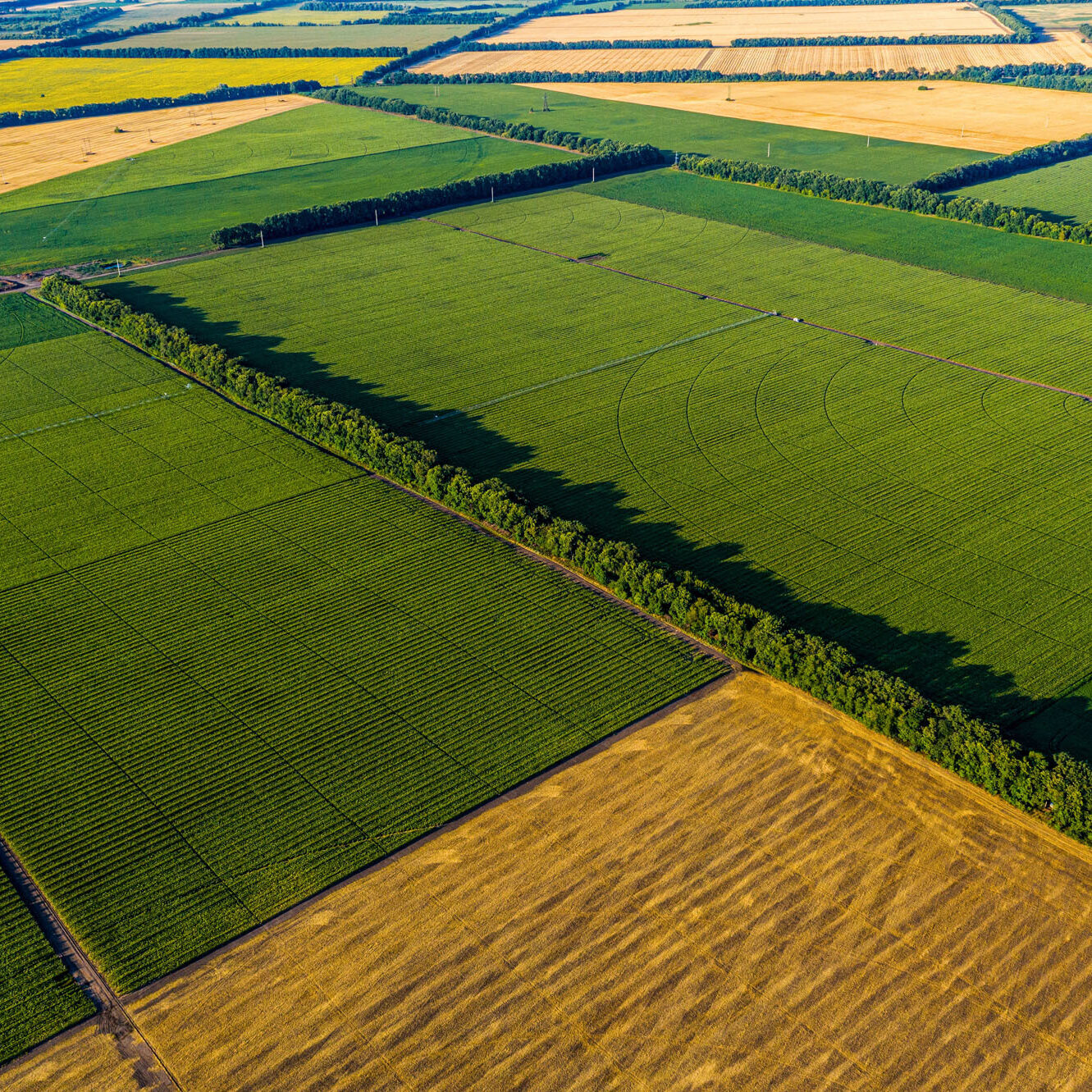
Inheriting land comes with a mix of emotions: grief, gratitude, and often genuine uncertainty about what comes next. Whether you've received a family farm, a parcel of rural acreage, or undeveloped land, the decisions ahead carry legal and financial weight that can affect family dynamics in lasting ways.
This guide walks you through the essential steps of inheriting property, from the first steps of transferring and valuation to actually managing or selling the land, so you can move forward with clarity and confidence before making decisions.
Farmers National Company
Do You Own Inherited Land?
Inheriting land comes with a mix of emotions: grief, gratitude, and often genuine uncertainty about what comes next. Whether you've received a family farm, a parcel of rural acreage, or undeveloped land, the decisions ahead carry legal and financial weight that can affect family dynamics in lasting ways.
This guide walks you through the essential steps of inheriting property, from the first steps of transferring and valuation to actually managing or selling the land, so you can move forward with clarity and confidence before making decisions.
Step 1: Confirm Ownership and Legal Transfer
Before you can make any decisions about your land, you need to go through the legal steps of confirming that the property has been properly transferred to you.
Most inherited real estate passes through probate, the legal process by which an estate is settled after the owner's death. If a will exists, the probate court validates it and authorizes the executor to transfer assets. If no will exists, the state's intestacy laws determine who inherits the asset. Once the probate process ends, a new deed should be recorded in your name with the county.
Common complications to watch for:
- Heirs' property: Land passed down informally over generations without a clear legal title (a common practice in rural areas) can leave heirs without full ownership rights and create barriers to financing or property selling.
- Multiple heirs: When property is passed down to several family members simultaneously, decisions require coordination and legal clarity about each party's share.
- Title defects: Gaps in the ownership chain, old liens, or recording errors can cloud the title and complicate future transactions.
Working with a real estate attorney or a farm professional experienced in rural property can help resolve these issues early. Farmers National Company offers consultation services to help navigate your inheritance.
Step 2: Understand the True Value of the Land
Inherited land is often worth more (or less) than heirs initially assume. Getting an accurate picture of valuation requires looking beyond tax records.
Assessed vs. Market Value
The county's assessment is used for tax purposes and rarely reflects what a buyer would actually pay. Contacting a professional appraiser, consulting a real estate agent, or getting a broker's opinion gives you a realistic market figure.
Income Potential
Farmland may already be under a cash rent lease. Recreational land may support hunting leases. Timber, mineral rights, or conservation program enrollment can all add to the income picture. In each case, the price of the real estate could be affected.
Location and Development Pressure
Proximity to growing communities, road access, and zoning classification can significantly influence price, sometimes making land worth far more than its agricultural use alone suggests.
Conservation Programs
Enrollment in CRP, RCPP, or a conservation easement affects both income potential and how the land can be used or sold.
Step 3: Identify Your Financial Responsibilities
Owning land isn't free. Before you decide what to do, understand what holding the inherited property will cost you, from tax implications to utility bills.
Property Taxes
Property taxes continue regardless of whether the inherited property generates income. Rates vary significantly by state, county, and land classification.
Insurance
Vacant land, farmland, and properties with structures each require different coverage. Liability exposure, especially on properties others access, makes insurance essential.
Maintenance
Fencing, drainage, weed control, and building upkeep can add up quickly on rural parcels.
Debts and Liens
Confirm whether the property carries any outstanding mortgage balance, unpaid taxes, or other encumbrances that transfer with ownership.
Step 4: Decide What Role the Land Should Play in Your Life
Once you understand what you own and what it costs, it's easier to decide whether it fits your personal goals or if you should turn to land sales to move forward.
Keep the Land as a Long-Term Asset
If the property holds family significance, strong appreciation potential, or ties to an agricultural operation, long-term ownership may make sense. Farmland has historically been a stable, inflation-resistant asset, but it also comes with ongoing responsibilities and carrying costs. A financial advisor can help inventory all potential long-term costs for a better view of ownership.
Generate Income From the Property
Land doesn't have to sit idle. Cash rent leases, recreational leases, timber sales, and conservation program payments can all turn an acreage into a productive asset without requiring you to sell.
Sell and Convert Equity Into Cash
Selling eliminates long-term management responsibility and allows you to reallocate equity toward other goals. For heirs who live far from the property or are managing competing financial priorities, selling is often the most practical path.
Hold Temporarily While Evaluating
There's no requirement to decide immediately. Holding the property while you coordinate with co-heirs, gather market information, or wait for favorable market conditions is a legitimate strategy, as long as you're actively managing carrying costs and keeping communication open. Decision-making is better when you take into account your specific financial goals and seek professional guidance.
Tax Considerations When Inheriting Land
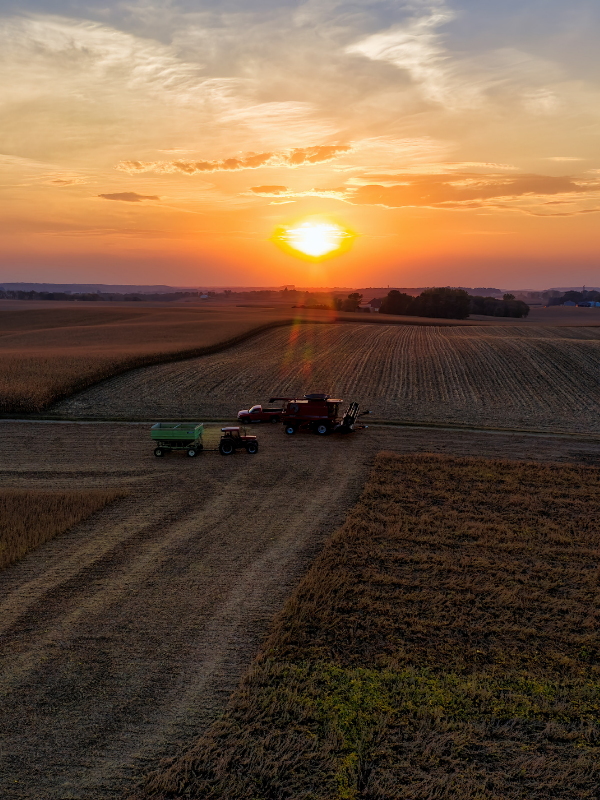
Understanding your tax position is critical before making any moves with inherited real estate, including farmland.
Stepped-Up Basis
In most cases, inherited property receives a stepped-up cost basis equal to the fair market value at the date of death. This means that if you sell shortly after receiving it, capital gains tax may be minimal or eliminated, one of the most significant tax advantages available.
Alternate Valuation Date
When valuation decreases immediately following the landowner's death, the new property owner can request an IRS-approved Alternate Valuation Date (AVD) to reduce the property tax burden. The AVD is exactly six months after the death of the original owner, and the assessment of the gross estate and the total tax liability must decrease.
Tax Considerations When Inheriting Land
Understanding your tax position is critical before making any moves with inherited real estate, including farmland.
Stepped-Up Basis
In most cases, inherited property receives a stepped-up cost basis equal to the fair market value at the date of death. This means that if you sell shortly after receiving it, capital gains tax may be minimal or eliminated, one of the most significant tax advantages available.
Alternate Valuation Date
When valuation decreases immediately following the landowner's death, the new property owner can request an IRS-approved Alternate Valuation Date (AVD) to reduce the property tax burden. The AVD is exactly six months after the death of the original owner, and the assessment of the gross estate and the total tax liability must decrease.
Capital Gains Timing
If you hold the property and it appreciates before selling, gains above the stepped-up basis become taxable. Long-term capital gains rates apply if held more than one year.
Estate and inheritance taxes
Federal estate tax applies only to larger estates (currently above $13.6 million). Some states impose their own inheritance or estate taxes at lower thresholds, so check your state's rules.
Income from the Property
Lease income, crop share arrangements, and hunting lease payments are taxable and should be reported as ordinary income.
Selling Inherited Land When It Makes Sense
At times, inherited property may be more of a burden than a benefit. Selling may be a better option, especially in these specific situations.
Lack of Use
Unused land costs money to own, so if there is no plan for crops, leasing, or development, selling is a more financially informed decision than paying taxes and upkeep on land you don't plan to use.
Multiple Heirs
When several family members are involved in the inheritance and a clear path forward looks unlikely, the best course of action may be selling the property instead of dividing it.
Financial Pressure
In circumstances where properties are carrying liens or other debts, or when the new owners can't take on additional financial liabilities, selling property and other assets is often a better option.
Strong Market Demand
Farmland is often in high demand, and your market conditions may mean more money per acre than the county appraisal or the money you could make from farming, rental, or hunting income.
Need help moving forward? Farmers National Company’s experienced teams help you determine the best path forward with your inherited property, whether you keep or sell. Contact our team today to connect with a rep in your area.
Keeping Inherited Land: Benefits and Risks
Holding onto land should be a financially intentional decision, not just an emotional default. Practical considerations like these help you better understand your options with confidence.
Legacy vs. Value
The sentimental weight of family acreages is worth honoring, but long-term ownership also needs to make financial sense for your situation. Whether your goal is financial freedom from rental income or keeping it for future generations, know what the property can handle.
Appreciation Potential
Farmland has historically been a resilient, appreciating asset that generates steady revenue through leasing. Heirs who hold quality acreage in strong agricultural or high-demand markets may see a worthwhile return, especially given the stepped-up basis that resets the capital gains clock at inheritance.
Management Responsibility
Even fully leased land requires active oversight: reviewing leases, monitoring property conditions, and handling taxes and repairs. For out-of-state heirs or those without an agricultural background, this burden is often larger than expected.
Carrying Costs
Property taxes, insurance, maintenance, and any outstanding debt add up every year regardless of income. Before committing to ownership, confirm the net profit of the property makes sense financially and that you can absorb costs in a down year.
Opportunity Cost
Equity held in land isn't available for other investments, debt payoff, or financial goals. If your acreage represents a large share of your net worth, it deserves the same scrutiny you'd apply to any investment of that size.
What to Do When Multiple Heirs Are Involved

Land shared among siblings or other family members introduces complexity that requires careful handling.
- Buyouts: A buyout allows an interested party to purchase the other shares at fair market value, preserving the family legacy without forcing a sale.
- Partition actions: Upon request, courts may order the property divided or sold, often at prices below market valuations. Avoiding this outcome is almost always in everyone's best interest.
- Communication strategies: Get a neutral third party (a mediator, land professional, or estate attorney) involved to facilitate productive conversations and document agreements in writing.
What to Do When Multiple Heirs Are Involved
Land shared among siblings or other family members introduces complexity that requires careful handling.
- Buyouts: A buyout allows an interested party to purchase the other shares at fair market value, preserving the family legacy without forcing a sale.
- Partition actions: Upon request, courts may order the property divided or sold, often at prices below market valuations. Avoiding this outcome is almost always in everyone's best interest.
- Communication strategies: Get a neutral third party (a mediator, land professional, or estate attorney) involved to facilitate productive conversations and document agreements in writing.
Special Situations With Inherited Land
Some inherited properties come with additional layers of complexity. If the property is already under a farm lease, understand the lease terms and timing before making any decisions. Leases may restrict when you can sell or transition the operation.
Conservation Reserve Program (CRP) contracts carry obligations that transfer with ownership. Early termination may require repayment of past benefits. Likewise, conservation easements restrict how properties can be used or developed in perpetuity, even after sale. Understand what's affected before pricing or listing.
Another common situation with multigenerational inheritances is unclear title history. Heirs' property situations, missing deeds, and informal family transfers require legal steps toward resolution before the property can be financed, sold, or fully leveraged.
How to Prepare Inherited Land for Sale
Selling inherited land takes more preparation than most heirs expect. Taking the right steps before listing can meaningfully impact both your selling price and the speed of closing by better appealing to potential buyers.
Resolve Title Concerns First
Before jumping into any other processes, confirm the title is clean and transferable. Address any heirs' property issues, outstanding liens, missing deeds, or other disputes early. Title problems discovered mid-transaction can delay or kill a purchase contract.
Get an Accurate Valuation
Don't rely on county assessments or informal estimates to price inherited real estate. A professional real estate agent's opinion or an appraisal from a land specialist gives you a defensible asking price grounded in current market conditions, comparable sales, and the financial opportunity from the land's revenue potential.
Improve Buyer Appeal Where It Counts
Small investments in presentation can widen your buyer pool. Clear fence lines, remove debris, address obvious drainage or access issues, and gather any documentation buyers will want, including lease agreements, soil maps, tile maps, survey records, and program enrollment details.
Time the Market Thoughtfully
Farmland demand, interest rates, and local development activity all influence buyer interest. While there's rarely a perfect moment, listing during periods of strong agricultural land demand or ahead of a planting season can attract more competitive offers.
Ready to sell inherited real estate? Farmers National Company Real Estate connects heirs with experienced land professionals who understand rural property, farm real estate, and the unique dynamics of estate-related sales. Contact a local FNC agent today to discuss your property and next steps.
Common Mistakes Heirs Make With Inherited Land
- Delaying decisions indefinitely: Carrying costs accumulate, market conditions change, and co-heir relationships can deteriorate. Inaction has a cost.
- Overlooking taxes and holding costs: Heirs sometimes assume land is "free" until property tax bills, insurance premiums, and maintenance expenses arrive. Know property tax rates, estate tax implications, and taxable revenue responsibilities to understand your costs.
- Failing to communicate with co-heirs: Assumptions about what other heirs want with the family home or acreage lead to conflict. Early, honest conversations and regular contact with co-heirs prevent larger disputes later.
- Underestimating the property's worth: Many heirs accept the first offer they receive or a price based on county appraisals, leaving significant money on the table.
Get Help With Inherited Land

Inherited land decisions are too consequential to navigate alone. Farmers National Company Real Estate Agents specializes in helping heirs understand, evaluate, and act on inherited property, whether that means leasing, holding, or selling.
Our land professionals have deep experience in farm real estate, rural property valuation, and the specific challenges of estate-related land transitions. We'll help you move forward with confidence.
Get Help With Inherited Land
Inherited land decisions are too consequential to navigate alone. Farmers National Company Real Estate Agents specializes in helping heirs understand, evaluate, and act on inherited property, whether that means leasing, holding, or selling.
Our land professionals have deep experience in farm real estate, rural property valuation, and the specific challenges of estate-related land transitions. We'll help you move forward with confidence.
Inherited Land