
FNC News
Abundant Bushels, Meager Prices
Harvest has wrapped up across the U.S., marking the end of a busy season for producers. Estimates for national average of corn and soybeans yields remain at record levels thanks to ideal weather conditions throughout most of the growing season. However, yield forecasts have dipped slightly from earlier fall projections due to late-season disease pressure and dry conditions. Corn demand has stayed exceptionally strong, while soybeans face headwinds from ongoing trade disputes, with mixed optimism for a near-term resolution.
Corn:
According to the USDA’s December projections, the 2025 U.S. corn yield is estimated at 186 bushels per acre – 6.7 bushels higher than last year’s record! When paired with the largest harvested acreage since 1933, production is set to surge to a new high of 16.75 billion bushels. Fortunately, our two biggest demand drivers, feed and ethanol, are both expected to increase usage this year. In addition, export sales have been running at a record pace, supported by lower domestic prices and limited exportable corn supplies outside of the U.S. Global stocks-to-use ratios for 2025/2026 corn are forecast to be the lowest in 13 years.
Soybeans:
The USDA is currently estimating this year’s soybean yield at 53 bushels an acre, which would beat the previous record 51.9 set in 2016. However, with fewer acres planted in 2025, total production remains in line with recent years despite strong yields. The U.S. soybean market has been historically reliant on exports to keep supply and demand in balance. China’s absence from the new crop U.S. soybean market this growing season weighed heavily on prices and their influence continues today. While their recent buying activity since November has been encouraging, there remains a high degree of uncertainty on the timing and volumes of future purchases. Meanwhile, Brazil is expected to expand acreage and production again in 2025/26, with planting of its major soybean crop nearing completion under ideal weather conditions. Domestically, demand remains strong with soy crush numbers at record levels, supported by biofuel demand.
Moving Forward:
When producers faced challenges from tariffs and trade tensions in 2018 and 2019, the USDA responded with the Market Facilitation Program, delivering $23 billion in aid. Now, with U.S. producers once again navigating the effects of trade disputes, alongside high input costs, it is not surprising to see similar programs emerge. On December 8th, the Farmer Bridge Assistance (FBA) Program was announced, aiming to deliver up to $11 Billion in direct payments to U.S. row crop farmers. As of this writing, full details on payment calculations and eligibility are still being released. However, funds are expected to be delivered by the end of February 2026.
Beyond trade news, the market will increasingly focus on weather conditions for developing crops in South America. In addition, the USDA will release final 2025 yields with their January 12 WASDE report. This will help set the tone for early 2026, while projections for next year’s U.S. acreage totals come into sharper focus.
Grain marketing is included in FNC’s comprehensive suite of Farm Management services. If you have any questions or would like to speak with a representative, please reach out to us today.
More News

Paul Schadegg Shares Advice for the Next Generation of Landowners and Producers on Brownfield's NextGen Podcast
Hear Paul Schadegg's perspective on land ownership, succession planning, and the future of farmland for young producers.
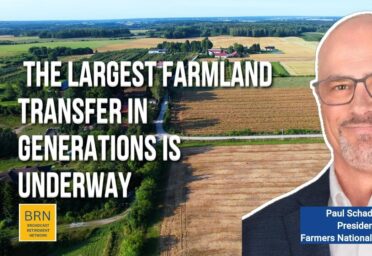
Paul Schadegg Discusses Farmland Succession Planning on the Broadcast Retirement Network

Paul Schadegg Discusses Farmland's Future on AG Squawk Podcast
Farmers National Company President Paul Schadegg joins AG Squawk to discuss farmland values, succession planning, and one of the largest generational transfers of land ownership in U.S. history.

Paul Schadegg Discusses Historic Farmland Transfer with Brownfield Ag News
More than 150 million acres of farmland are expected to change hands in the coming years. Paul Schadegg shares insights on preparing for this transition.