
FNC News
Reforesting After Harvest: A Landowner’s Guide
Some forest landowners find themselves asking,” Well, now what?” after a total harvest operation has been completed on their property. Most landowners have only seen their property covered in trees for thirty years or longer. For some landowners, that’s a lifetime. Even though landowners may have been closely involved with previous thinning operations, seeing their property which was once a lush, thriving forest turn into what they see as a barren wasteland can be overwhelming and even a little heartbreaking.
However, landowners who have chosen to work with the Forestry Division of Farmers National Company need not worry. Not only do we work with landowners to help them harvest their property at the appropriate times, we also guide them through the reforestation process.
Reforestation of a tract that has been totally harvested seems like an obvious next step, much like replanting any crop after it’s been harvested. Although tree farming is similar to crop farming, certain aspects can be quite confusing if a landowner is not familiar with reforestation. For example, tree farming is conducted on a much longer rotation, typically thirty to fifty years. Also, seedlings cannot be bought at big box stores but are reserved at nurseries usually an entire year before they are planted.
Many of our landowners choose to reforest their tract after the final harvest. However, some may choose to turn the tract into pasture, build a home, install a pond, etc. This article highlights the process of establishing a pine plantation on tracts whose landowners wish to continue utilizing their property to generate income.
The first thing we must assess in the reforestation process is what type of site preparation is needed. The amount of logging slash left after the harvest, the type of soil or soils present on the site and whether hardwoods or pine were harvested, are just a few of the factors that determine which site prep methods are needed to establish a successful pine plantation.
Another choice landowners must make is which species of pine seedling to plant. Loblolly pine, shortleaf pine, and longleaf pine are options available to landowners in East Texas. Each species has pros and cons and may have specific areas where they thrive or in which area a certain species may not be able to become established.
A final choice is whether to apply herbaceous weed control (HWC) to the tract after the seedlings are planted. Usually, the question is not whether to apply the HWC, but what chemicals to use in the HWC to control competing vegetation and give the seedlings the best chance of survival without hurting them.
In the next article, we will explore each of these aspects in more detail. Until then, enjoy the outdoors!
More News
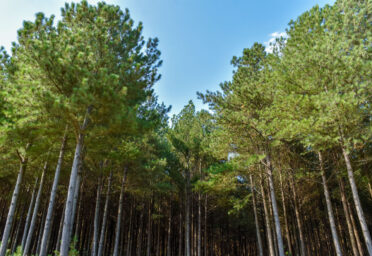
Effective Herbaceous Weed Control (HWC) for Reforestation
Use herbicides to manage weed growth and boost your seedlings' survival. Learn about band and broadcast spraying, and find the right herbicide for your site. Contact a Farmers National Company Forester today!
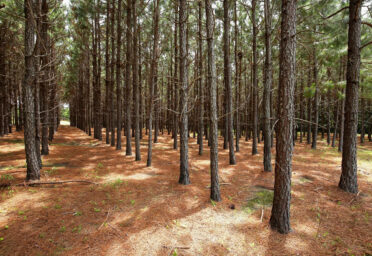
Establishing a Pine Plantation Phase 2: Planting
Discover the next steps in establishing a profitable pine plantation. Learn about the best pine species, seedling options, and planting methods to maximize your investment.
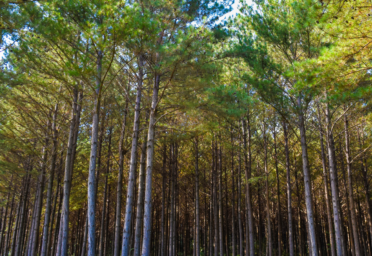
Site Prep Methods for Pine Plantations
Discover essential site preparation techniques to ensure your pine plantation thrives. From bedding and ripping to chemical prep and prescribed burning, learn how to optimize your land for successful reforestation.
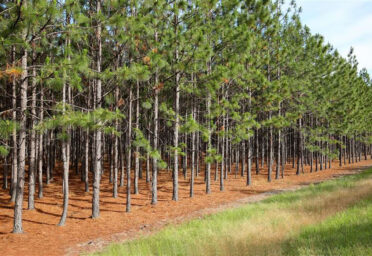
Final Harvest: Maximizing Pine Plantation Value
Maximize your timber profits. Expert advice on final pine harvests.